

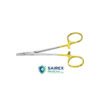

Miller Rake Retractor | Blunt 9 Prong 15mm Wide
$22.00
Miller rake retractor features 9 blunt prongs measuring 15mm wide for atraumatic tissue retraction. SAIREX MediLine instrument designed for facelift, neck lift, and soft tissue retraction in plastic surgery procedures.
1 in stock (can be backordered)
The miller rake retractor provides gentle, atraumatic tissue retraction through 9 blunt prongs spanning a 15mm wide working surface. Designed for facelift and neck lift procedures, the miller rake retractor minimizes tissue trauma while maintaining reliable surgical exposure in delicate flap dissection planes.
Key Features
- 9 Blunt Prongs: Wide spread distribution of retraction force across tissue
- 15mm Prong Width: Compact profile suited to facelift and neck lift exposures
- Atraumatic Design: Blunt tips minimize tissue injury during prolonged retraction
- Lightweight Handle: Reduced hand fatigue during extended surgical procedures
- Stainless Steel: Autoclavable for sterilization between procedures
Clinical Use
The miller rake retractor is used in rhytidectomy (facelift) and neck lift surgery for retraction of skin and subcutaneous tissue flaps to expose SMAS and platysma layers. The 9-prong blunt design distributes retraction force evenly to prevent prong penetration of thin facial skin flaps during prolonged operative exposure.
Construction & Care
The miller rake retractor is constructed from surgical-grade stainless steel with a hand-finished blunt prong array. The handle provides comfortable grip for sustained manual retraction. Fully autoclavable for sterilization. Inspect prong tips periodically to confirm blunt condition — sharp or bent prongs should be repaired before clinical use.
Frequently Asked Questions
What is the miller rake retractor used for in facelift surgery?
In facelift surgery, the miller rake retractor holds back elevated skin and subcutaneous tissue flaps to expose the underlying SMAS layer for plication or imbrication, providing the surgical exposure needed for deep plane rhytidectomy procedures.
Why are the prongs blunt on the miller rake retractor?
Blunt prongs on the miller rake retractor prevent perforation of the thin facial skin flap during retraction. Sharp-tipped rake retractors risk puncture and tearing of delicate elevated tissue, which would compromise flap viability and aesthetic outcome.
Related products

Blepharoplasty Instruments
Breast Surgery Instruments
Breast Surgery Instruments
Breast Dissectors & Spreaders
Abdominoplasty Instruments
Breast Surgery Instruments
Breast Surgery Instruments
Abdominoplasty Instruments
Scalpel Knife Handle #7 – Rhinoplasty & Plastic Surgery Instrument